
Vietnam Insiders: builders, backers and operators
An inside look at Vietnam’s most iconic companies — through the builders who created them, the backers who believed early, and the operators who made them scale.
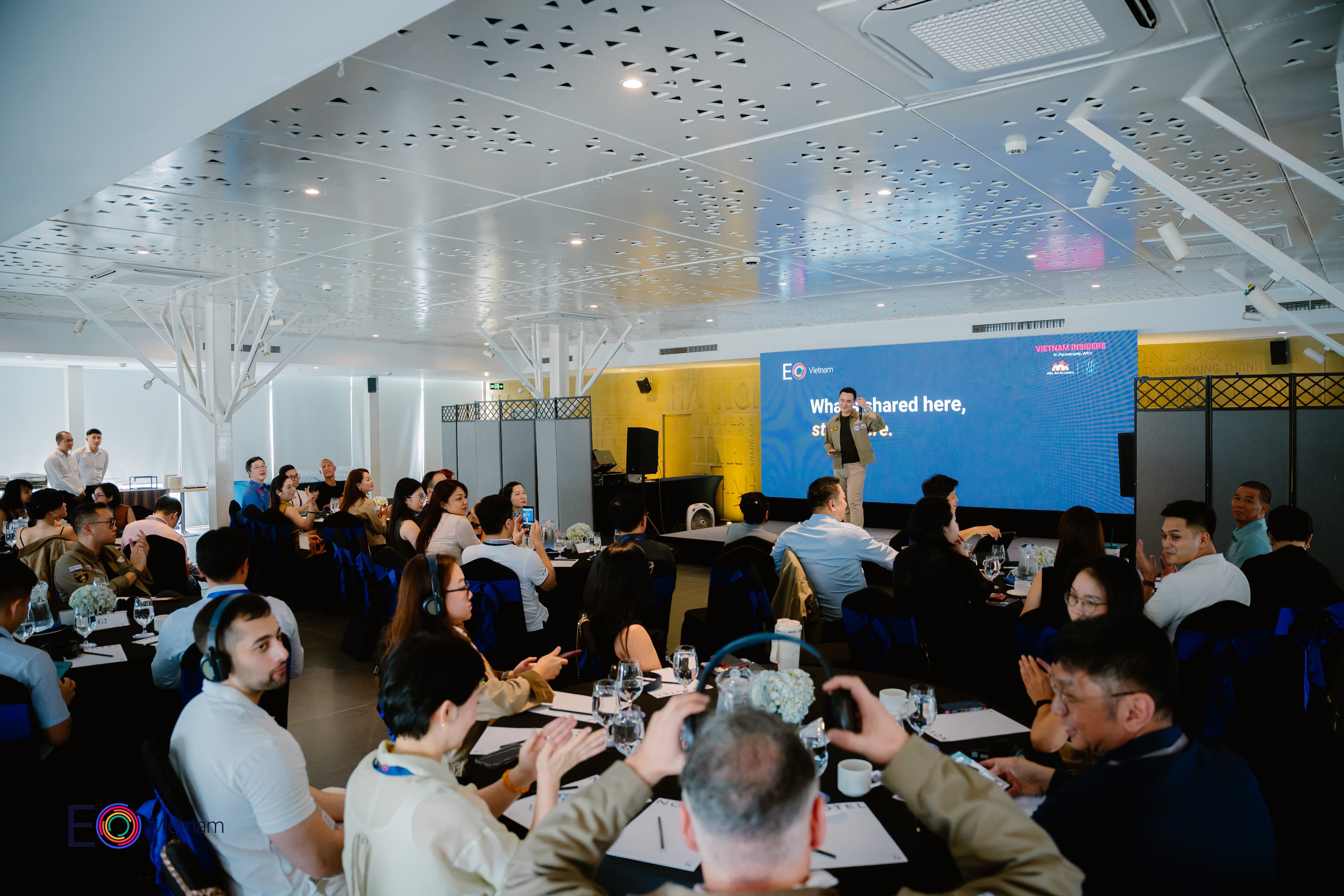
I spent last Friday afternoon in a hotel ballroom in Hanoi, watching three of the most interesting business careers in Vietnam unfold in real time — and trying to figure out what they had in common.
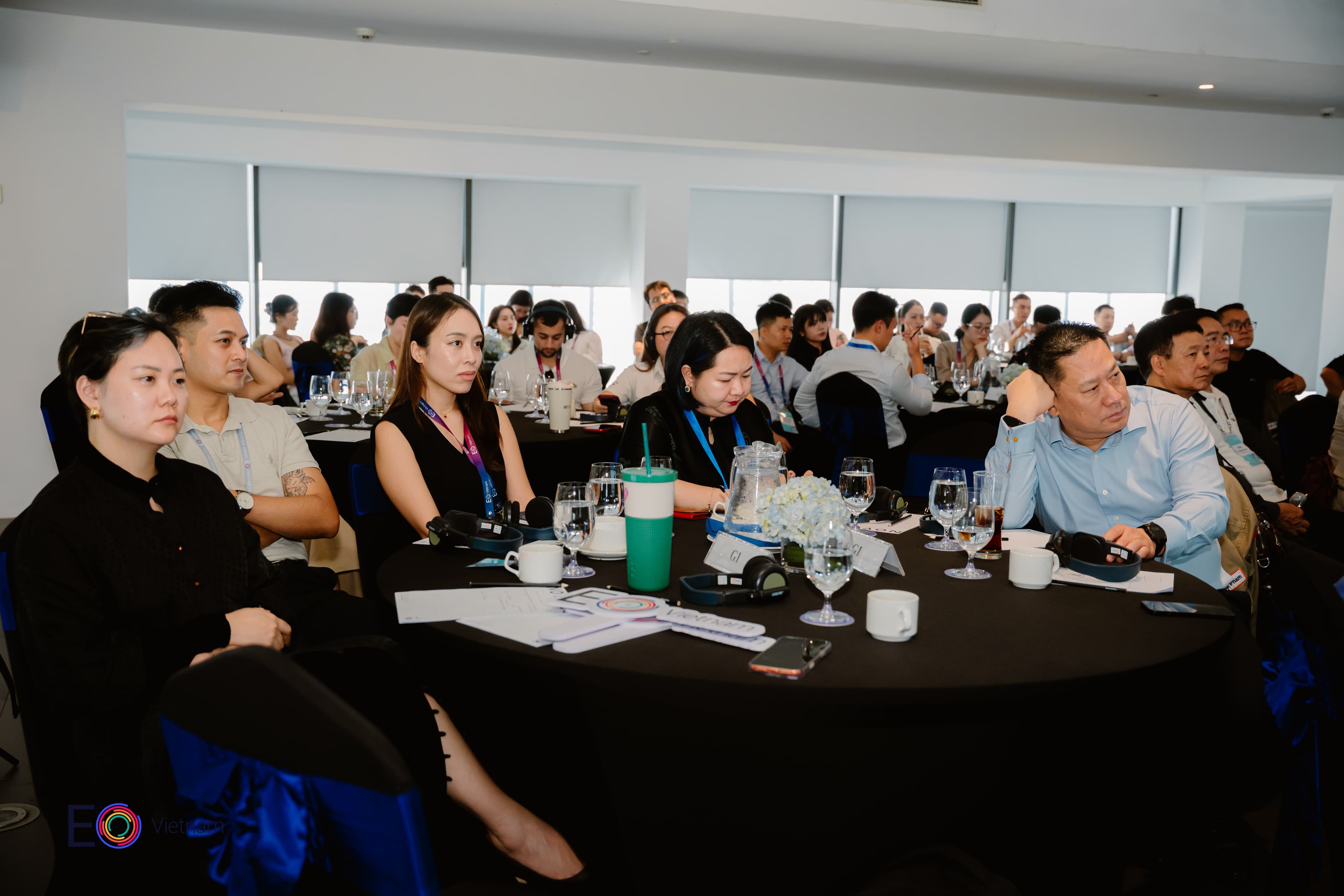
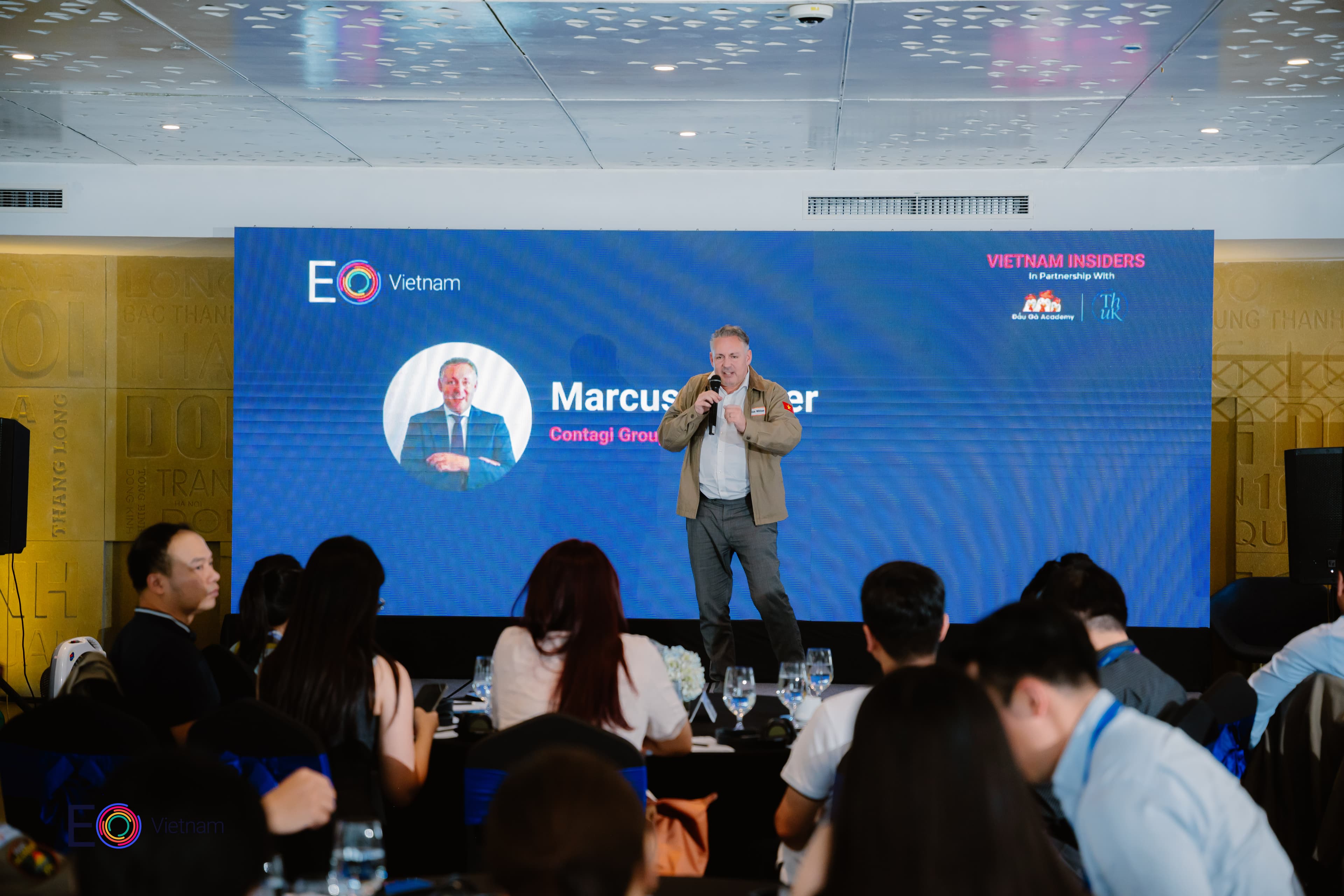
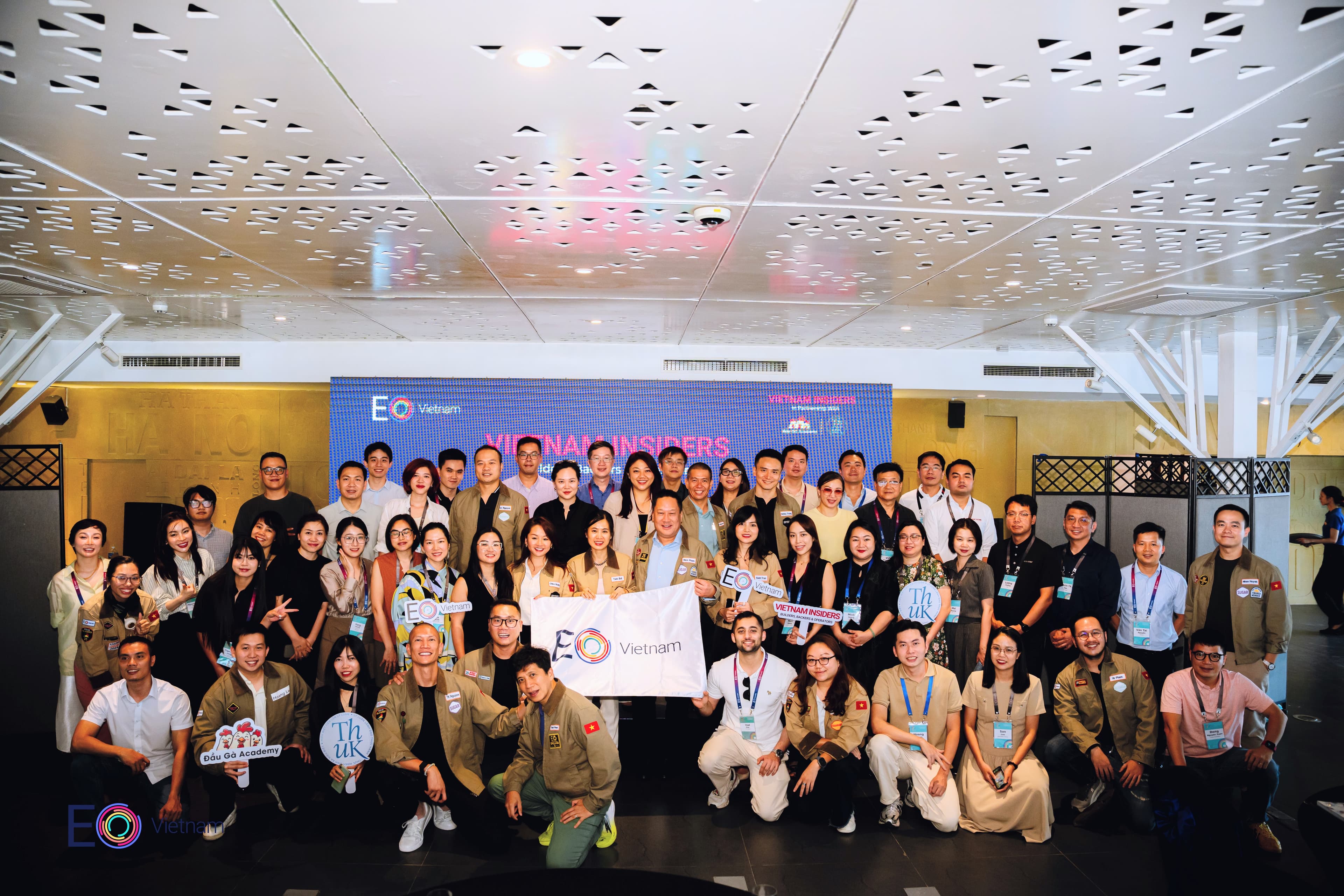
The setup was simple. EO Vietnam put more than sixty founders in one room at Novotel Thai Ha and brought in three speakers who, between them, have built or backed an outsized share of the consumer companies you can name off the top of your head if you live here. A builder. A backer. An operator. Vietnamese on stage, cabin translation in the headphones, no slides chasing a sales pitch.
What struck me, sitting in row three with a notebook on my lap, is how rarely you get to hear founders be specific about the thing that actually went wrong. Not the keynote version. The version you’d tell a friend over dinner. That’s what this afternoon was — and what follows is what I took away.
- None of these careers are linear. They look linear in retrospect, the way most careers do.
- The thing that kills companies in Vietnam isn’t bad revenue. It’s the stuff founders look at last: governance, cash, the core team, the legal layer, the culture.
- Strategy is overrated. Execution is the moat. Almost everyone in the room knew this, and almost no one finds it easy.
- The higher you go, the fewer people you can talk to honestly. Building a small group of peers before you need them is part of the job.
RISE 4 is on Friday, November 13, in Ho Chi Minh City.
Register for RISE 401Why this room, why now
Here’s the thing I keep coming back to. Vietnam is in a strange in-between moment. The first generation of operators — the ones who actually built the iconic consumer and tech companies you can list on one hand — is starting to turn into the first generation of serious local backers. The capital, the playbooks, and most of all the scars, are finally starting to stay in Vietnam instead of leaving with the next exit.
That’s a big deal. And it’s also quiet. It doesn’t make headlines. It mostly happens in rooms like this one — small, peer-only, with the WhatsApp groups that come after.
The MC, Nhân Huỳnh, CEO of VPP Trading, opened by reminding everyone we weren’t there to perform. I’m not sure I’ve ever seen an MC do that and have it actually land. It landed.
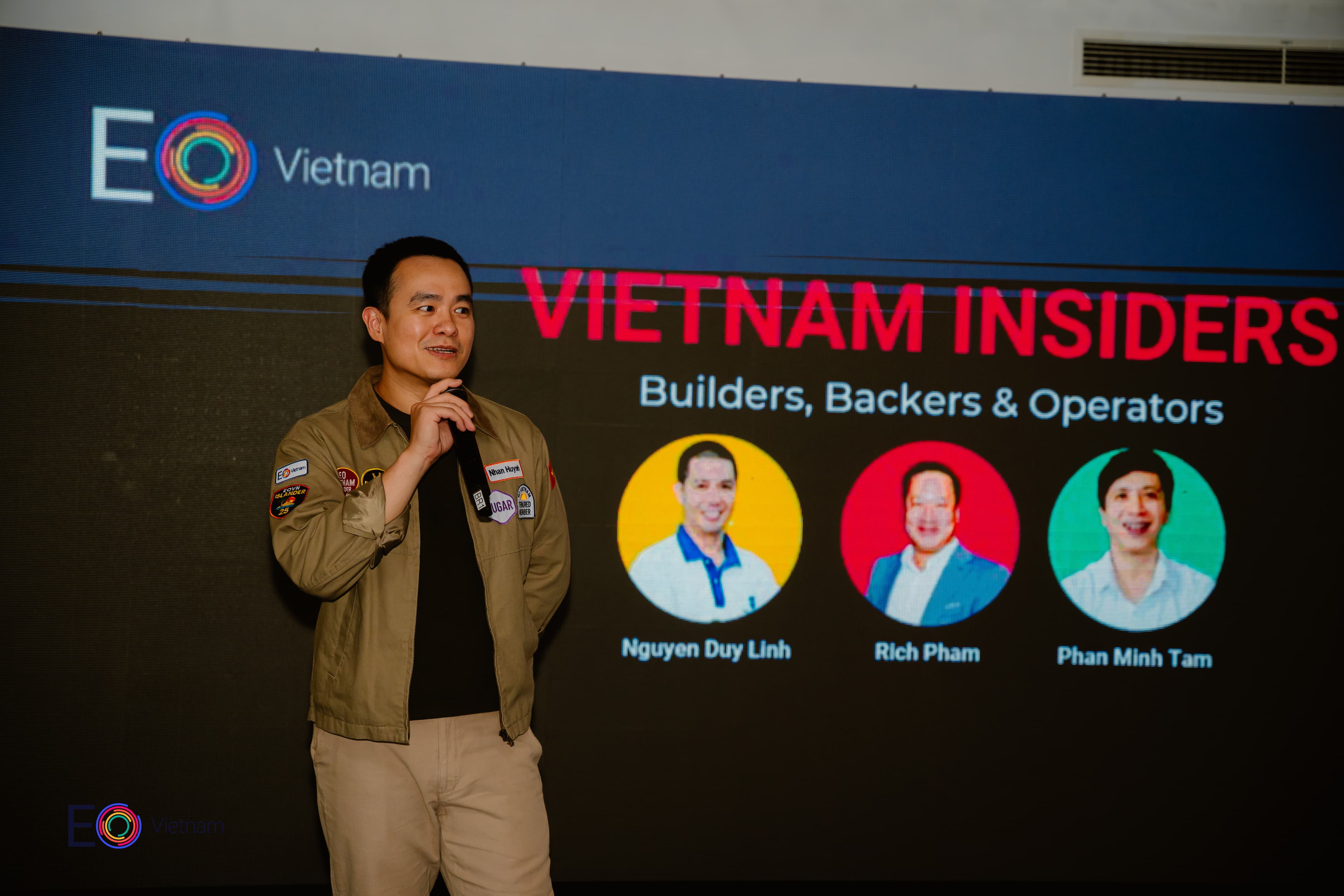
02Three lenses, one arc
Each session could have been its own afternoon. But what I didn’t expect — and what kept me writing — was how much they were secretly the same talk. Build, back, operate. Three views of the same animal.
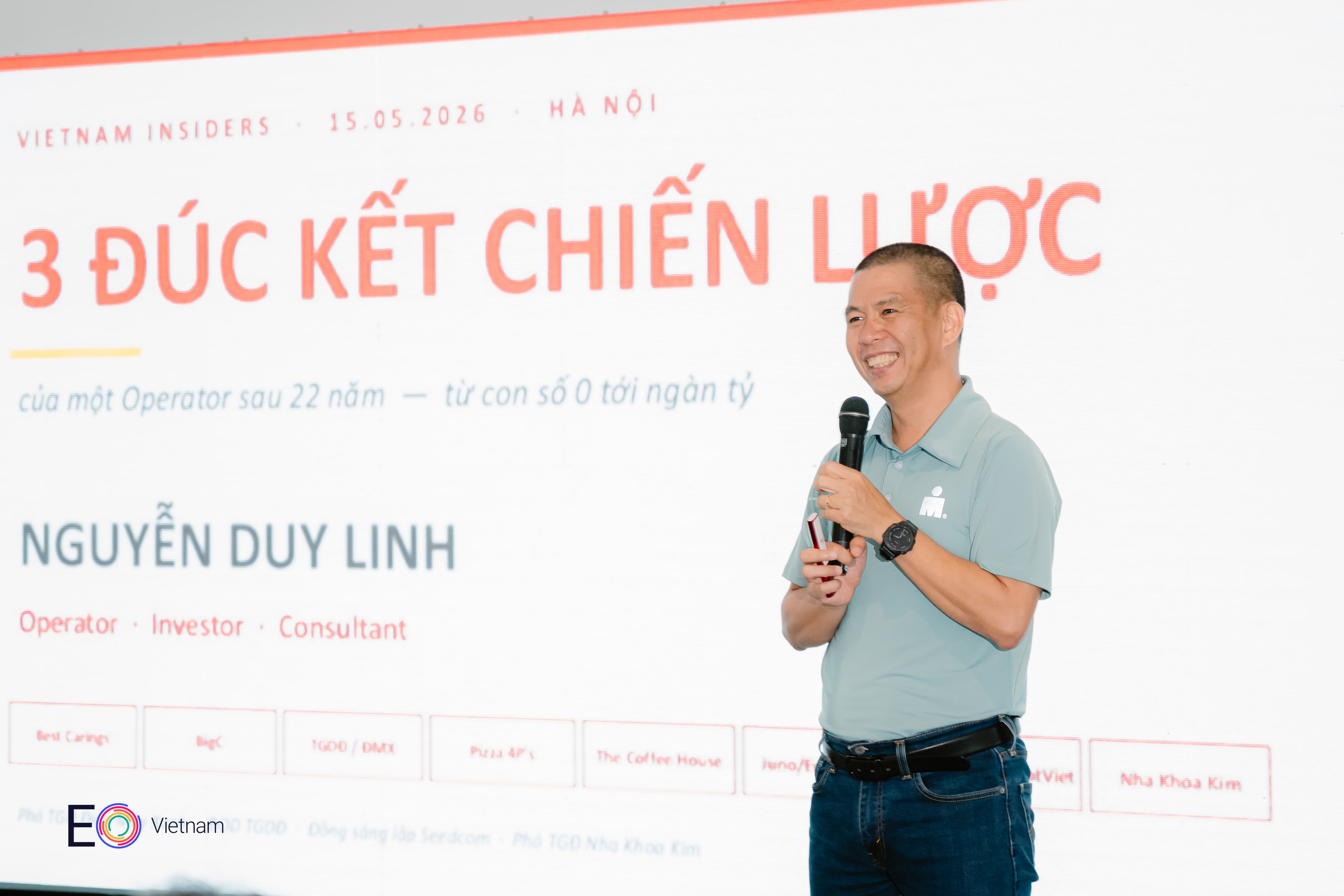
I don’t think there’s anyone in Vietnam who has shipped more retail than Linh. He helped scale Thế Giới Di Động in its formative years, then co-founded Seedcom — the platform sitting underneath The Coffee House, Pizza 4P’s, Juno, Haravan, KiotViet, Tiki, iPOS.vn, Con Cưng. If you’ve eaten or paid for anything in urban Vietnam, you’ve probably interacted with a business he helped build.
What I liked about his talk is that it wasn’t a victory lap. It was almost the opposite. He kept coming back to the gap between the retail story we tell investors and the retail you actually wake up to on a Tuesday. The unit economics that look so clean in a deck do something else entirely across 200 stores in 30 provinces. Loyalty doesn’t happen in boardrooms; it happens at the till, in the four seconds it takes someone to decide whether to come back.
The line I underlined: the difference between a brand that compounds and one that quietly stalls almost always shows up in the unglamorous middle years. Long after the launch is famous. Long before the exit is real. That’s where most operators go quiet — and where Linh, weirdly, gets more interesting.
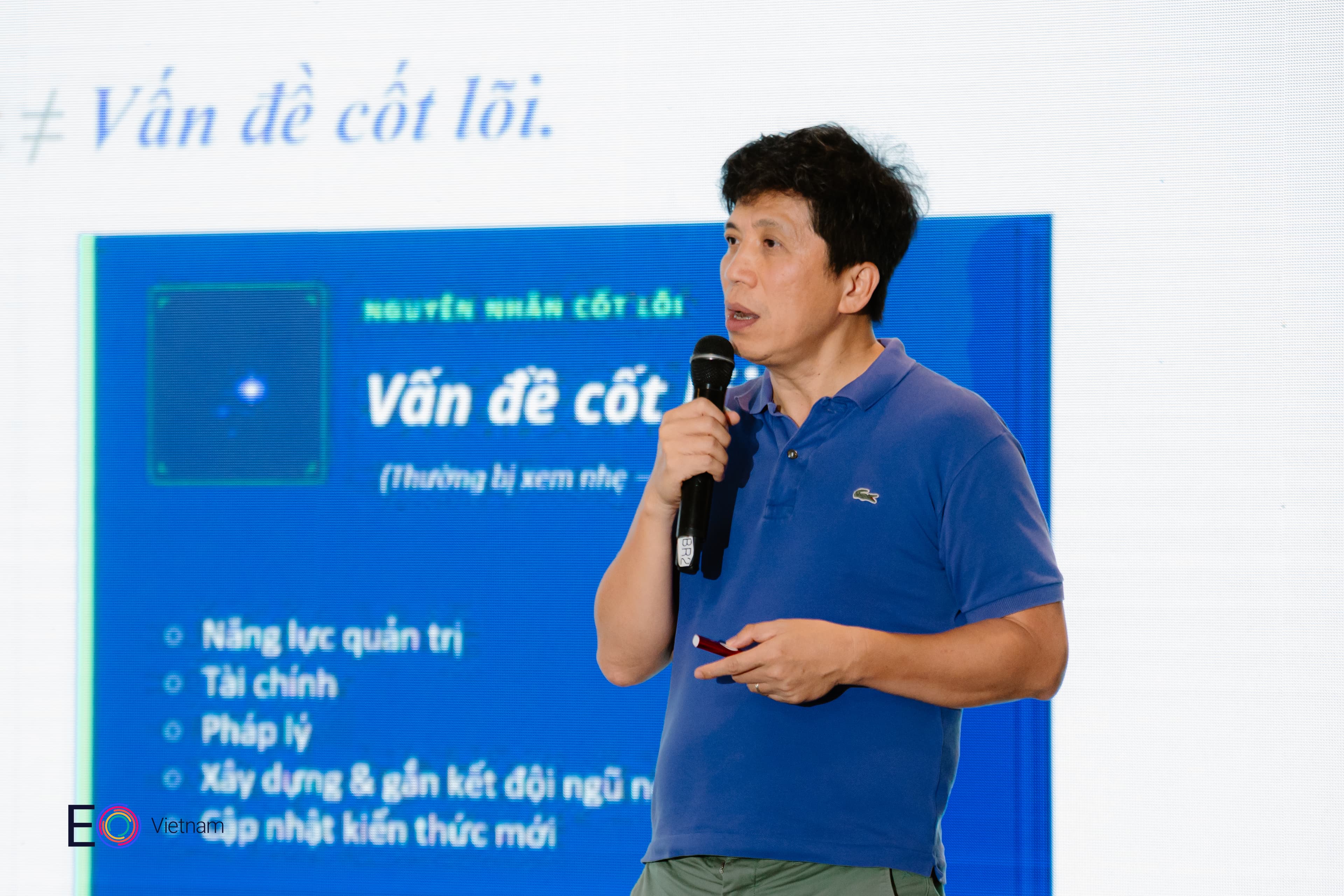
Tâm founded 24H.com, which is one of those companies you forget was once a startup because it’s been load-bearing on the Vietnamese internet for so long. He now chairs STI / 24HMoney and has backed MVillage, 30Shine, Ecomobi and a long tail of other multi-million-dollar startups. He’s lived both sides of the cap table, at scale, on home soil. That combination is rare anywhere; in Vietnam it’s almost unique.
He opened with an image I keep thinking about: an iceberg. Above the waterline is the part founders love to talk about — revenue, growth, the next round, the next big opportunity. Below it is the part that actually decides whether the company survives the next chapter: governance, cash flow, the core team, the legal layer, culture.
Sustainable growth isn’t the same as expansion. Companies don’t collapse because they grow. They collapse when growth outruns the foundation built to carry it.A theme from Phan Minh Tâm’s talk
The distinction he kept drawing — and the one I think the rest of the afternoon quietly orbited — is between an urgent problem and a core problem. A funding gap, a weak quarter, a missing key hire: urgent, loud, easy to react to. Management capability, financial discipline, founder-team cohesion: quiet, systemic, easy to ignore. Founders are wired to fight the visible fire. Which, he pointed out, is exactly why the invisible one is the one that takes the company down.
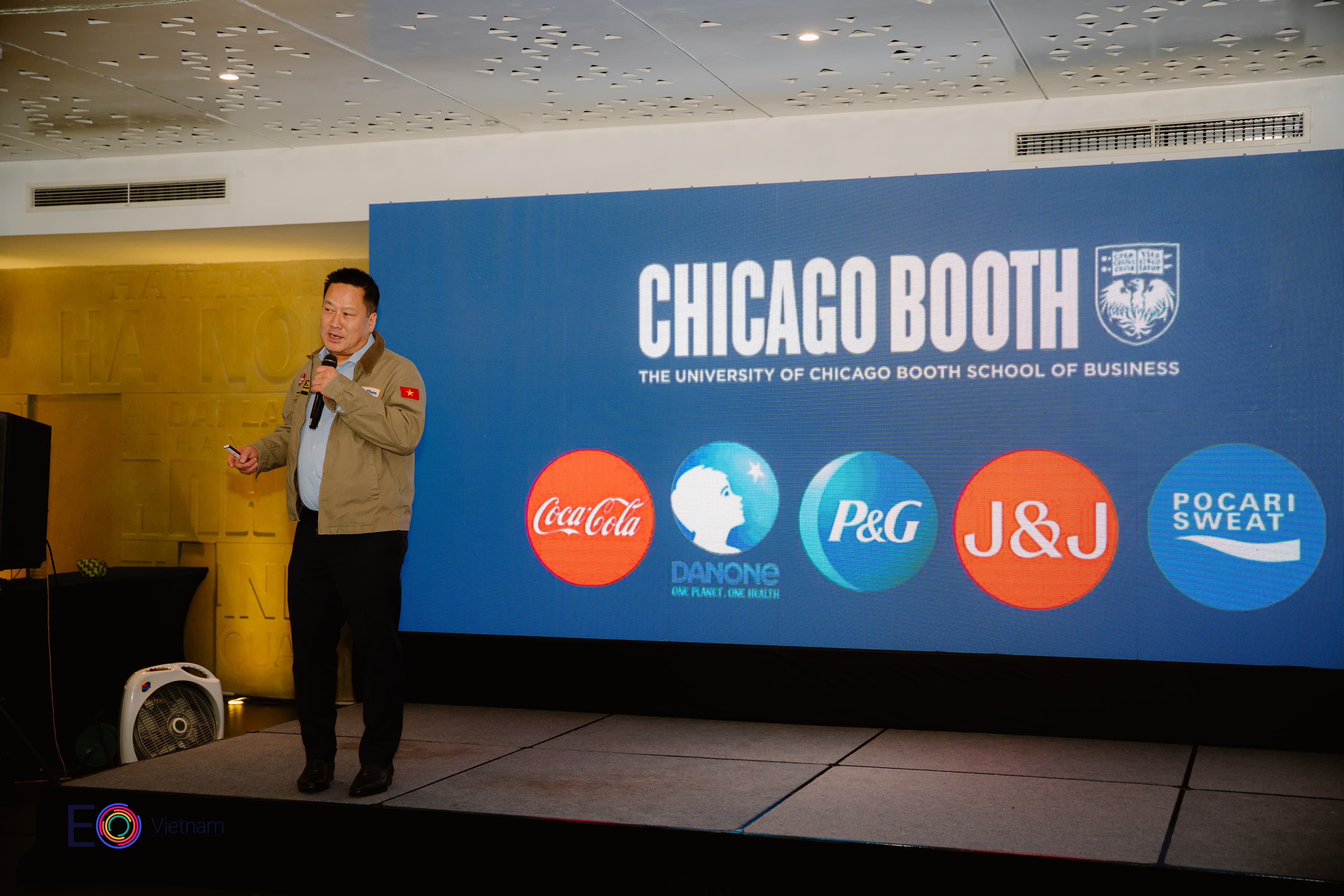
Rich built Pocari Sweat in Vietnam from zero. He was the first person to run Coca-Cola Vietnam. His career goes: Japan in his late twenties, regional leadership across five countries, a full pivot into tech across six countries and 600 people in his mid-forties, and then — at fifty-two — finally starting his own thing. If you wanted to design a non-linear career on purpose, you’d struggle to do better.
He walked on stage, looked around, and said, “I am in the wrong room.” Then he gave probably the most useful talk of the afternoon. He’d organised it as five things I wish I’d known when I was thirty — and it wasn’t a list of clichés. It was a quiet leadership playbook, and the lessons stack:
- 1Add value every day
Career equity compounds. The people who win the long game in Vietnam are the ones who keep depositing small, useful contributions long after the title stops requiring it.
- 2Don't be afraid to fail. And don't say no
Saying yes to uncomfortable rooms is what bought him a JV in Japan at 27, regional leadership at 38, a full pivot into tech at 46 and a founder's life at 52. The no's he avoided were the ones that would have sounded most reasonable at the time.
- 3Execution wins over strategy
Everyone in Vietnam has a beautiful strategy. Almost no one has the operational stamina to ship it, week after week, when nothing is on fire and nothing feels urgent. That gap is the moat.
- 4Be ready to pivot
The plan you wrote in January is a hypothesis, not a contract. The companies and the careers that last are the ones that re-plan without ego.
- 5It is lonely at the top
The higher you go, the smaller the group you can be fully honest with. Build that group on purpose. Before you need it.
What got me, sitting there, was that each of Rich’s five lessons sat directly under one of the earlier speakers’ stories. Linh’s “boring middle years” is just execution wins over strategy. Tâm’s iceberg is just be ready to pivot, with a finance hat on. Three different careers. Same handful of truths.
03What I think I learned
If I had to compress the whole afternoon into one line, it would be this: the next generation of great Vietnamese companies won’t be built by founders who chase the visible part of the business. They’ll be built by operators who learn — early — to see what’s under the waterline. Who treat execution as a craft, not a slogan. And who go out of their way to borrow honest feedback from peers who’ve already walked the road.
Which, when you say it out loud, is more or less the entire premise of Entrepreneurs’ Organization. EO is a global, not-for-profit community of more than 20,000 founders and business owners across 90+ countries and 220+ chapters. Vietnam Insiders is what it looks like when that community does the thing it’s best at: convene peers, drop the pitch, share the real version.
04EO Vietnam in context
One thing that’s easy to forget, sitting in a single ballroom, is how big the network behind the chair you’re in actually is.
Vietnam Insiders is one piece of EO Vietnam’s 2026 programming — sitting next to Forum, learning events, and leadership development designed for the whole entrepreneur, in business and beyond. The next iteration of the series is already in planning. If the energy in that Hanoi ballroom is any signal, the appetite for this kind of conversation — honest, peer-only, specific — is still growing.
RISE 4 is on Friday, November 13
Randy Dobson works category creation on real businesses, in a room capped at 100. Free for EO Vietnam members, $200 for guests.
Register for RISE 4Want to be in the next room?
Vietnam Insiders was invitation-only. RISE 4 is open to members and to founders who aren’t members yet. If you’re a business owner who wants to learn from people who’ve actually done it, this is the community.
Learn about membershipHosted in partnership with Đầu Gà Academy and Thuk Initiative. Master of ceremonies: Nhân Huỳnh, CEO, VPP Trading. Thanks to every member who showed up and asked a real question.
About EO: Entrepreneurs’ Organization (EO) is a global, not-for-profit membership community of 20,000 leading business founders and owners representing more than 90 countries and 220 chapters worldwide. Founded in 1987, EO helps entrepreneurs move the world forward by unlocking their full potential through the power of trusted connections, leadership development, and premier learning opportunities. eonetwork.org