
Why Your Leadership Brand Matters More Than Your Leadership Skills
The Research-Backed Framework That Changes How Leaders Think About Influence
The Problem Nobody Talks About
At a certain level, competence is assumed. Nobody is questioning whether you are smart enough, experienced enough, or capable enough. You have already proven that.
So what is being evaluated?
Consistency.
The people around you are constantly predicting how you will show up.
Will you be the same leader on Monday that you were on Friday?
Under pressure that you are during calm? In private that you are in public?
This is where most leaders get stuck. They focus on developing skills when the real issue is something different: the gap between how they believe they show up and how others actually experience them.
Harvard Business School professor Amy Edmondson's research on psychological safety found that team performance depends heavily on predictable leadership behavior. When teams cannot predict how their leader will respond, they hedge. They wait. They work around you. That hesitation becomes a hidden tax on execution.
The Insight: Leadership Brand vs. Leadership Skills
Your leadership brand is not your personality. It is not your resume. It is not what you say about yourself.
Think about that. It is not what you intend. It is what people experience.
You think you are being direct. Others might experience you as dismissive.
You think you are being thorough. Others might experience you as slow.
You think you are being supportive. Others might experience you as micromanaging.
Research by Simons (2002) on behavioral integrity shows that employees need certainty and predictability from their leaders. When leaders act consistently in word and deed, they build trust. When they do not, they create friction that undermines everything else they are trying to accomplish.
Why Your Greatest Strength Is Also Your Biggest Risk
Here is the paradox: the things that make you effective are often the same things that create friction.
Research by Kaiser and Kaplan found that managers are most likely to overdo leadership behaviors associated with their natural strengths. When a behavior comes naturally, leaders default to it even when the situation calls for something different.
Decisiveness becomes impatience. The ability to make quick calls becomes an unwillingness to hear input.
High standards become inflexibility. The drive for excellence becomes perfectionism that delays progress.
Empathy becomes avoidance. The care for people's feelings becomes reluctance to deliver difficult feedback.
Vision becomes detachment. The ability to see the big picture becomes disconnection from daily realities.
That is not a flaw. That is physiology. And it is why self-awareness alone is not enough.
The Framework: Building Your Leadership Brandbook
A leadership brandbook answers one question clearly: "What is it like to work with me?"
It is not marketing. It is infrastructure. When people know how you operate, work moves faster. When they do not, they hedge.
The key components:
The test is simple: if your team heard your brandbook today, would they recognize it? Not agree with it. Recognize it. If there is a gap between your description and their experience, that gap is your development priority.
The Principle: One Behavior at a Time
Insight without behavior change is just information.
Leadership brands do not shift because of awareness. They shift because of repetition. When you try to change everything at once, you change nothing.
Your attention scatters.
Your energy diffuses.
The focusing question:
Not ten behaviors. One. Specific enough that others could observe it. Connected to your brand. Practiced until it becomes automatic.
That is how real leadership development happens. Not all at once. One behavior at a time.
Putting It Into Practice: EO Vietnam Session Recap
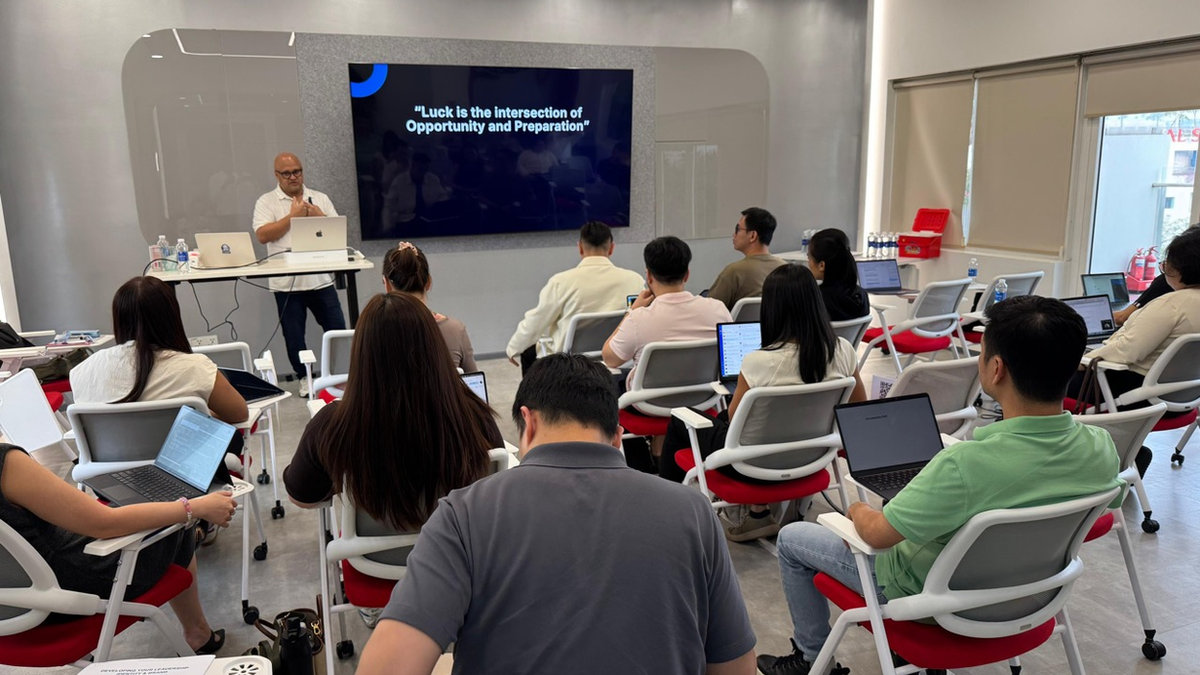
This framework was the foundation of Session One of "Leadership in the AI Era," a 12-session executive education program developed for EO by Dr. Brooks Holtom, Professor of Management at Georgetown University's McDonough School of Business.
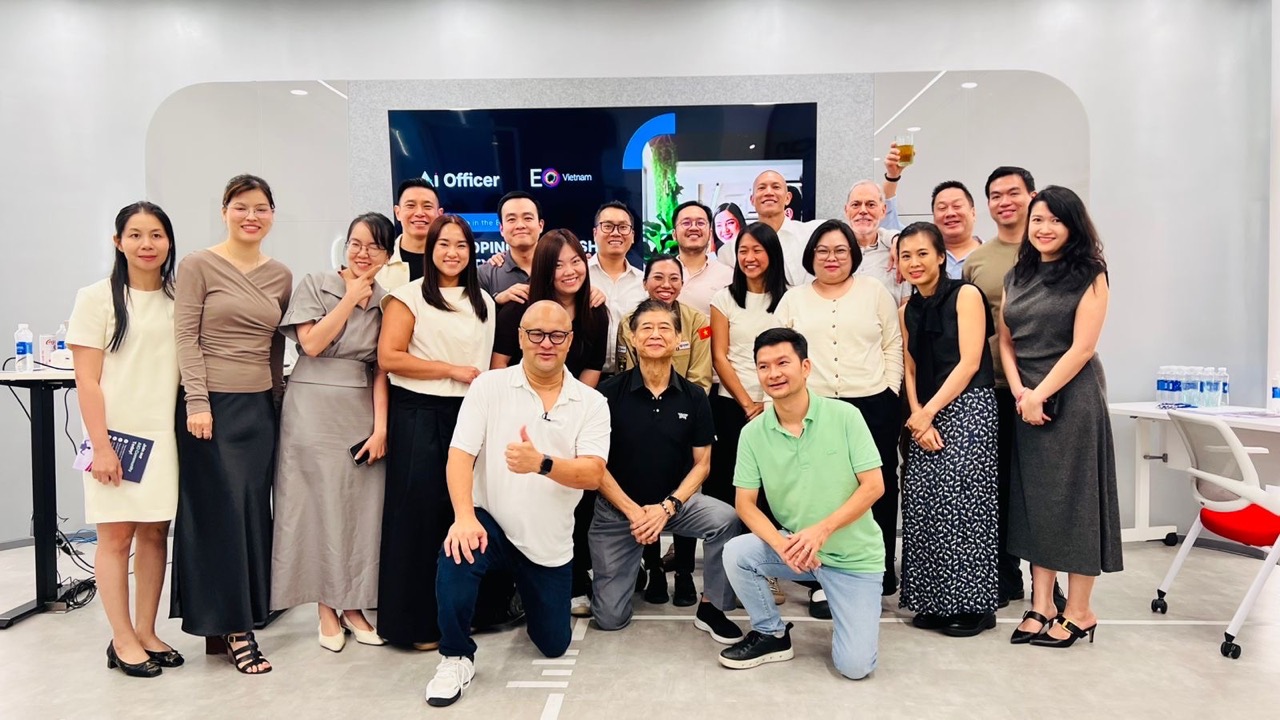
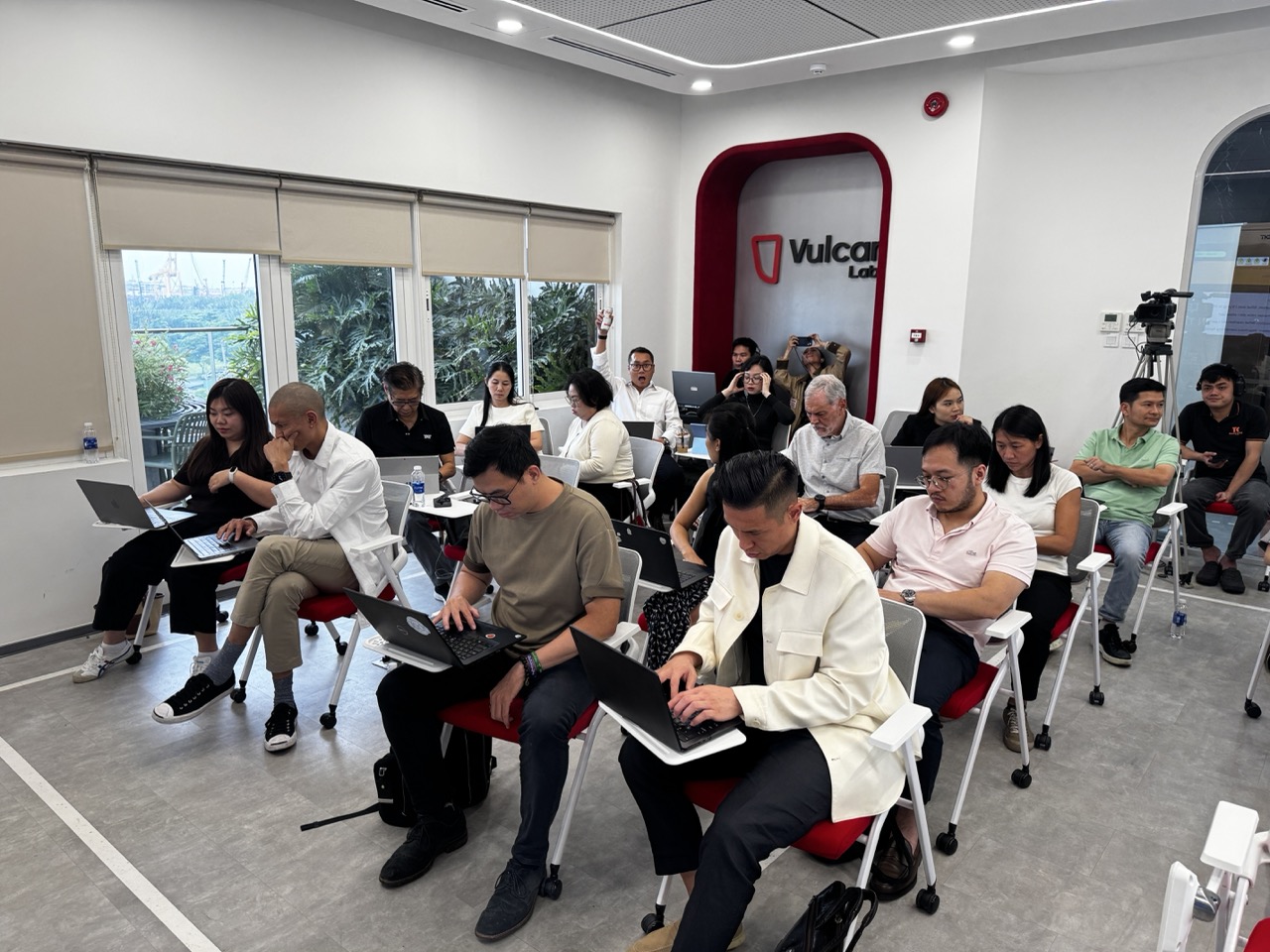
Twenty-seven entrepreneurs participated in the first session on Developing Leadership Identity and Brand. Twenty-four gathered in person at Vulcan Labs in Saigon, with three joining virtually.
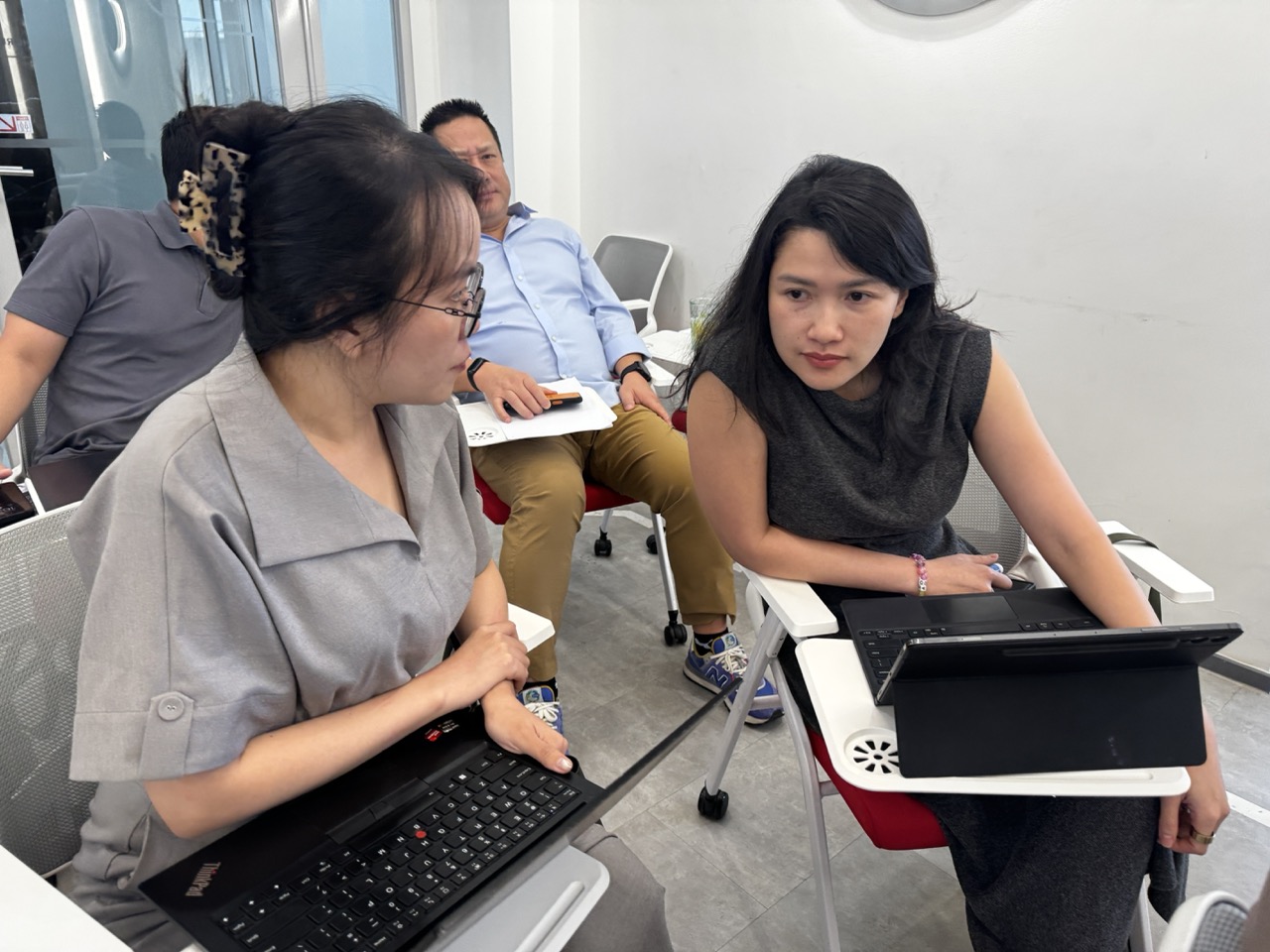
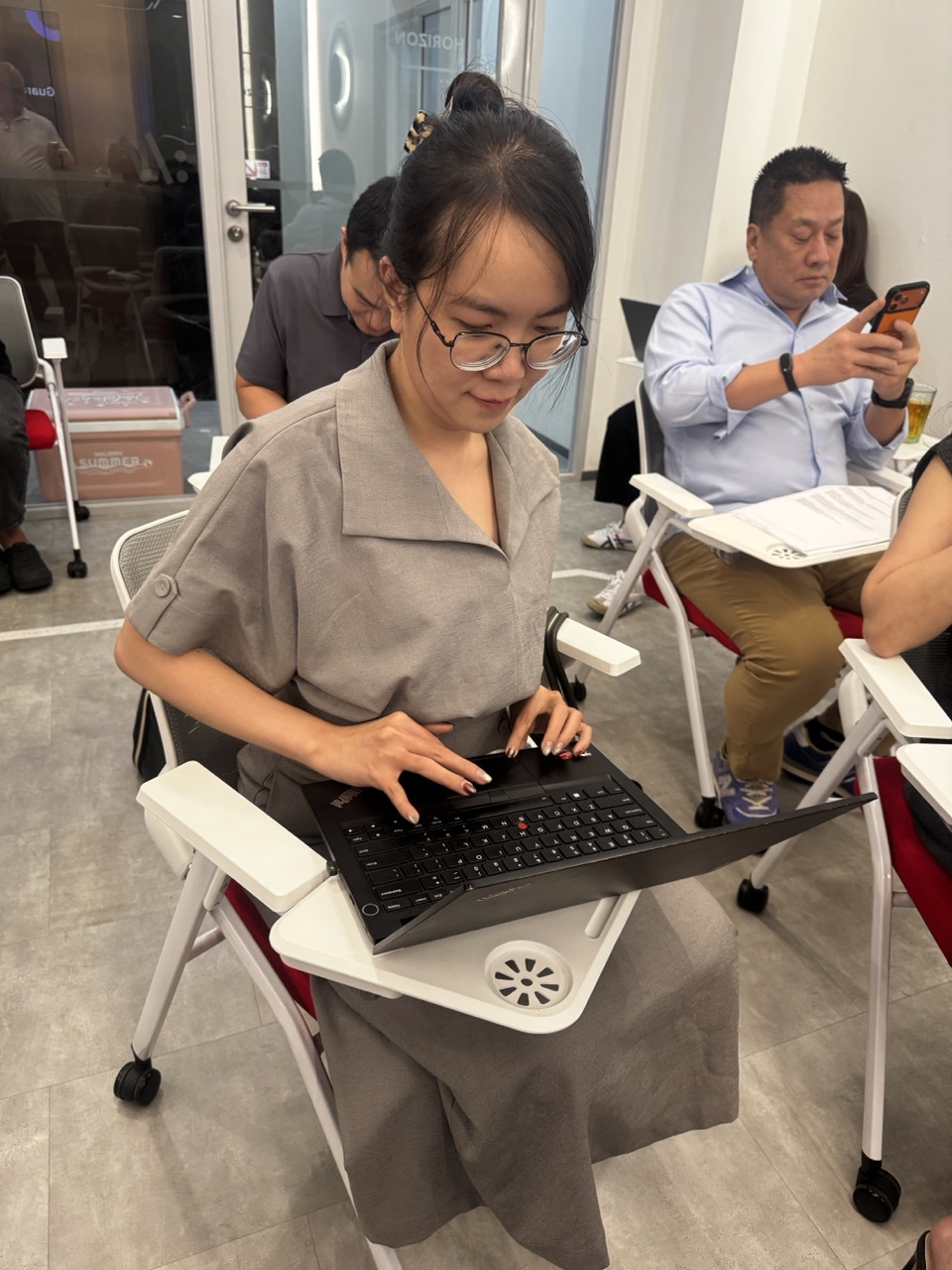
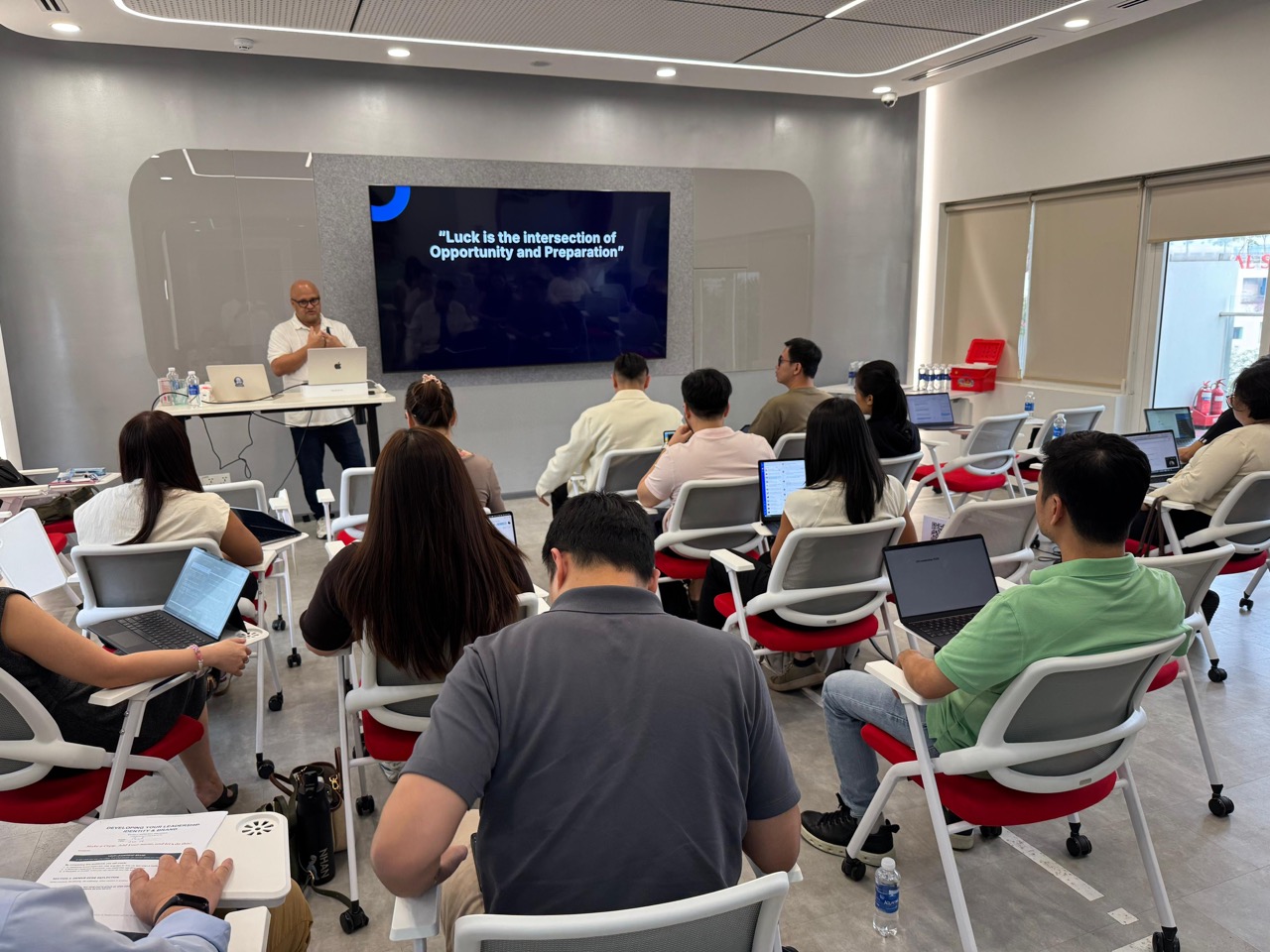
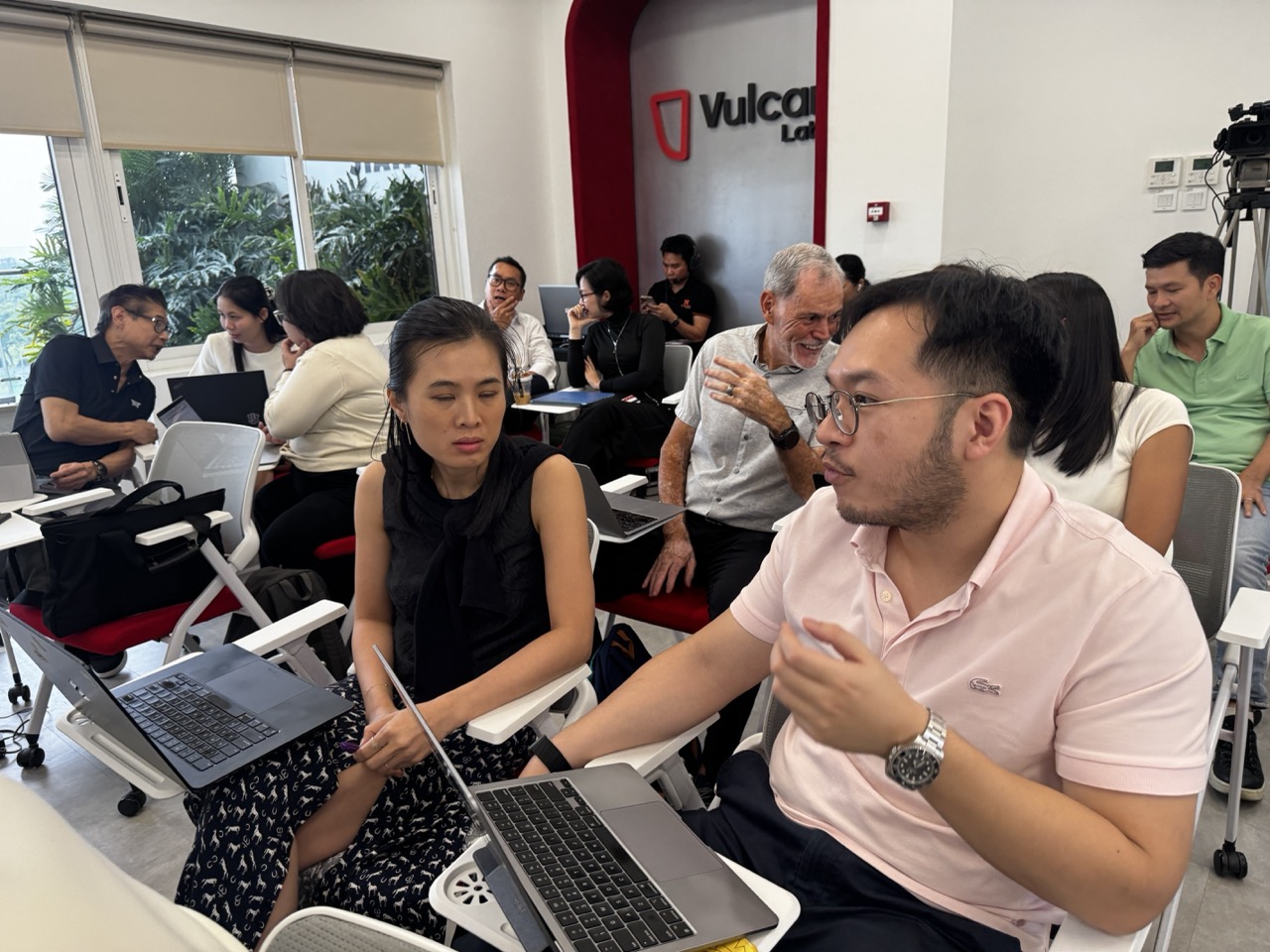
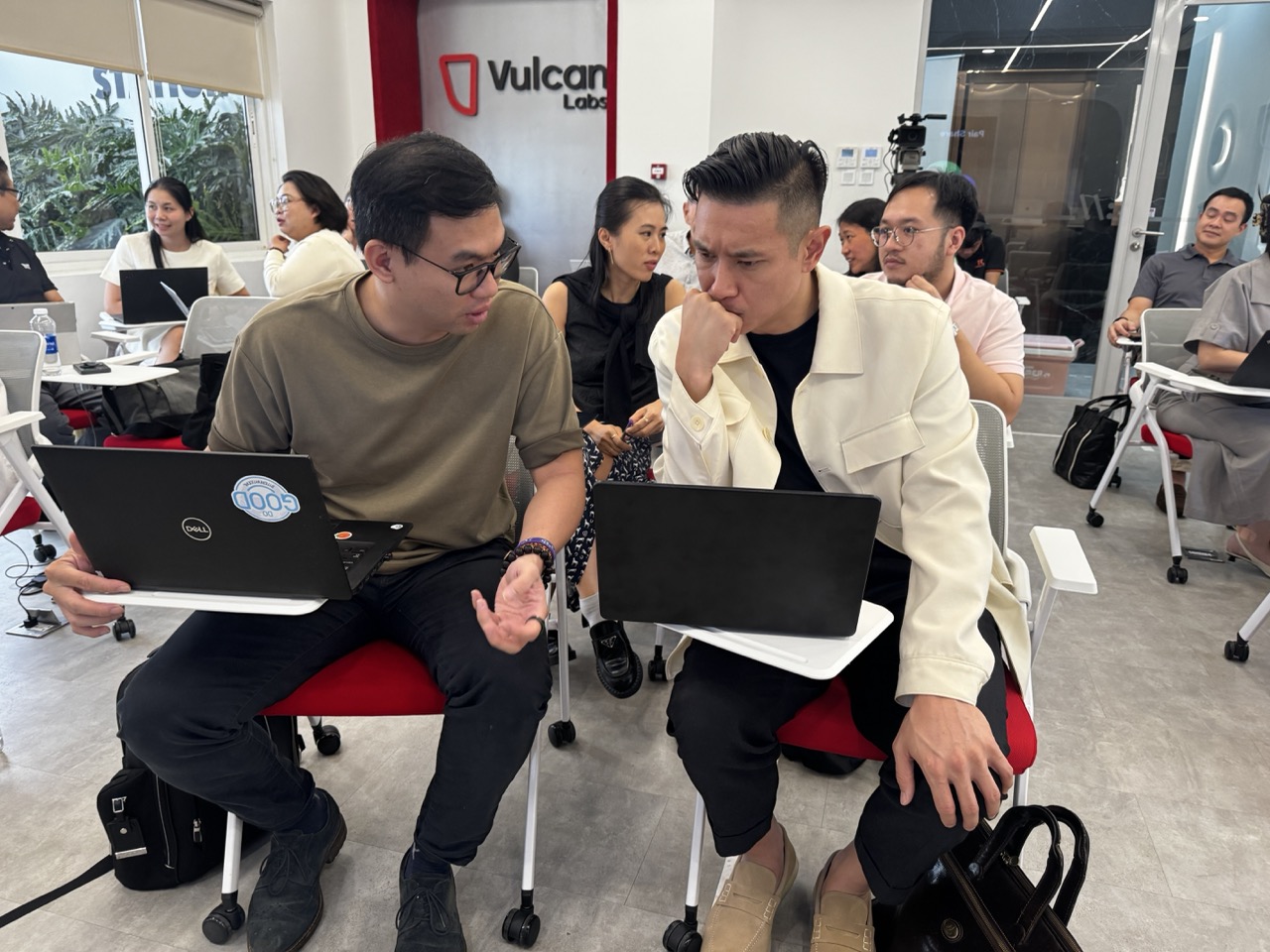
Hoang and the Vulcan Labs team were gracious hosts, serving up steak, shrimp, and the most incredible truffle mashed potatoes while leaders did the hard work of honest self-assessment.

Every participant left with a completed Leadership Brandbook, AI-generated identity analysis, and one specific behavioral commitment for the month ahead.
What Participants Said
On the content
On the key insight
On the instruction
What's Next: Join the Remaining 11 Sessions
Session Two is coming up on January 28th: Building Your Emotional Intelligence, taught by Dr. Brooks Holtom.
"Leadership in the AI Era" is a mini-MBA style program that would typically cost tens of thousands of dollars and require travel to a top business school.
Because of EO, members get access to world-class executive education developed by a Georgetown University professor right here in Vietnam.
The 12-Session Curriculum
Lead Yourself
Lead Your Team
Lead the Organization
Two ways to join
Contact your chapter learning chair or reach out directly to register for the full session and get your official Red Receipt.
Build It Intentionally
Your leadership brand exists whether you define it or not. The only question is whether you are building it intentionally.
Leadership in the AI Era is an EO Vietnam learning initiative developed by Dr. Brooks Holtom (Georgetown University), David Nilssen, and Dave Hajdu.
For more information about upcoming sessions, visit www.eovietnam.org/training